Google AI Overviews do not appear for every search. Some queries trigger them frequently, while others rarely generate an AI-powered answer.
For SEOs, publishers, and businesses, understanding what triggers a Google AI Overview is critical because it helps predict when AI-generated results may appear and what type of content Google prefers to cite.
If you're still learning the fundamentals, start with our guide on what AI Overview SEO covers at the foundation, which explains how AI-generated search experiences work and why they are changing organic visibility.
The reality is that AI Overviews are influenced by a combination of:
- Query intent
- Search complexity
- Content quality
- Entity recognition
- Authority signals
- Technical SEO factors
In this guide, we'll break down the major triggers behind Google AI Overviews and show how you can optimize your content accordingly.
How Google Decides to Show an AI Overview
Google's AI systems aim to provide summarized answers when they believe users would benefit from information gathered from multiple sources.
Understanding how AI Overviews are changing SEO can help explain why Google increasingly prioritizes synthesized answers over traditional blue-link results for many informational searches.
AI Overviews typically appear when:
- A question requires synthesis from multiple webpages
- The answer is not easily satisfied by a single result
- Users are seeking explanations, comparisons, or guidance
- Google has sufficient confidence in available sources
Google generally avoids AI Overviews when:
- The query is highly navigational
- Users are trying to reach a specific website
- Transactional intent is dominant
- Information is highly sensitive or uncertain
This means the first trigger is often the search query itself.
Query Triggers: Informational vs. Commercial Searches
One of the strongest AI Overview triggers is search intent.
High-AIO Trigger Queries
Examples include:
- What is AI Overview SEO?
- How does technical SEO affect rankings?
- Why is my website losing traffic?
- How does schema markup work?
- What are the benefits of cloud hosting?
These searches require explanation and context, making them ideal candidates for AI-generated summaries.
Common Query Patterns
Google frequently triggers AI Overviews for:
- What is...
- How does...
- Why does...
- Best way to...
- Pros and cons of...
- Compare X vs Y
- Step-by-step processes
These query structures naturally benefit from synthesized answers.
Lower-AIO Trigger Queries
Examples include:
- Facebook login
- YouTube
- OpenAI pricing
- Nike running shoes
- Buy iPhone online
Users typically want a destination website rather than an explanation.
As a result, AI Overviews appear less often.
Content Quality Triggers
Google needs trustworthy information before generating an AI Overview.
Pages that contribute to AI Overviews often demonstrate:
Comprehensive Topic Coverage
Google prefers content that answers:
- What
- Why
- How
- When
- Benefits
- Drawbacks
- Related concepts
A page that fully covers a topic is more useful for AI systems than a shallow article. Brands looking to improve eligibility should also understand how to optimise content for AI Overviews, including content depth, answer formatting, and topical completeness.
Clear Question-and-Answer Structure
AI systems extract information more easily from content that includes:
Good Examples
What is schema markup?
Schema markup is structured data that helps search engines understand webpage content.
How does technical SEO help rankings?
Technical SEO improves crawlability, indexing, and user experience.
Content written in this format often aligns well with AI-generated responses.
Demonstrated Expertise
Google increasingly evaluates:
- Author expertise
- First-hand experience
- Industry knowledge
- Accuracy
- Trustworthiness
This aligns with Google's E-E-A-T framework:
- Experience
- Expertise
- Authoritativeness
- Trustworthiness
Content lacking these signals is less likely to contribute to AI Overviews.
Structured Data and Schema Triggers
Schema markup is not a direct ranking factor for AI Overviews, but it can help Google understand content.
Useful schema types include:
- FAQ Schema
- Article Schema
- HowTo Schema
- Organization Schema
- Person Schema
- Product Schema
- Review Schema
Structured data provides additional context that AI systems can use when interpreting content.
Entity Recognition Matters
Google's Knowledge Graph relies heavily on entities.
Strong entity signals help Google understand:
- People
- Companies
- Products
- Services
- Locations
- Concepts
For example, a page discussing OpenAI, Google, and Microsoft with clear context is easier for AI systems to interpret than one using vague references.
Domain Authority Signals
While AI Overviews can cite smaller sites, authority still matters.
Signals likely influencing citation eligibility include:
Backlink Authority
Strong backlink profiles help establish trust.
Google may have greater confidence in content from domains that consistently earn high-quality links.
Brand Recognition
Recognized brands frequently appear in AI Overview citations because:
- They have established trust
- They publish consistently
- They are referenced across the web
Historical Quality
Google evaluates:
- Content consistency
- Accuracy over time
- User satisfaction signals
- Spam history
Sites with a long history of producing reliable content generally have an advantage.
Search Complexity as a Trigger
Many AI Overviews appear when a query requires combining information from multiple sources.
Examples:
Simple Query
Current weather in Chennai
No synthesis required.
Complex Query
How does AI Overview affect SEO traffic and click-through rates?
Requires:
- Definitions
- Industry data
- Expert opinions
- Multiple viewpoints
This type of query is highly likely to trigger an AI Overview.
Freshness and Emerging Topics
Google may trigger AI Overviews more frequently when:
- Topics evolve rapidly
- New technologies emerge
- User demand spikes
- Information is fragmented
Examples:
- AI SEO
- Generative Engine Optimization
- Large Language Models
- New Google Search updates
AI-generated summaries help users quickly understand changing topics.
User Behavior Signals
Google continuously learns from search interactions.
Potential signals include:
- Query reformulations
- Follow-up searches
- Pogo-sticking behavior
- Engagement patterns
If users repeatedly need multiple searches to understand a topic, AI Overviews may become more likely for those queries.
How to Use AI Overview Triggers to Your Advantage
Instead of trying to force inclusion, optimize for the conditions that make AI Overviews more likely.
Once you understand the triggers behind AI-generated results, the next step is learning the tactical ways to get into AI Overviews, including content structures, citation signals, and optimization techniques that improve visibility.
Target Explanation-Based Queries
Focus on searches such as:
- What is...
- How does...
- Why does...
- Best practices for...
- Compare X and Y
These frequently align with AI Overview triggers.
Build Complete Topic Coverage
Create content clusters that answer:
- Definitions
- Processes
- Comparisons
- Examples
- FAQs
Comprehensive content gives AI systems more information to reference.
Improve Entity Signals
Clearly identify:
- Your company
- Products
- Services
- Authors
- Industry terminology
This improves Google's understanding of your content.
Strengthen Technical SEO
Ensure:
- Fast loading pages
- Proper indexing
- Structured data implementation
- Mobile optimization
- Internal linking
Technical clarity helps Google process content more efficiently.
Demonstrate Experience
Include:
- Original research
- Case studies
- Real examples
- Expert commentary
- Proprietary insights
Unique information increases the likelihood of citation.
Testing and Validation
You can identify likely AI Overview opportunities by:
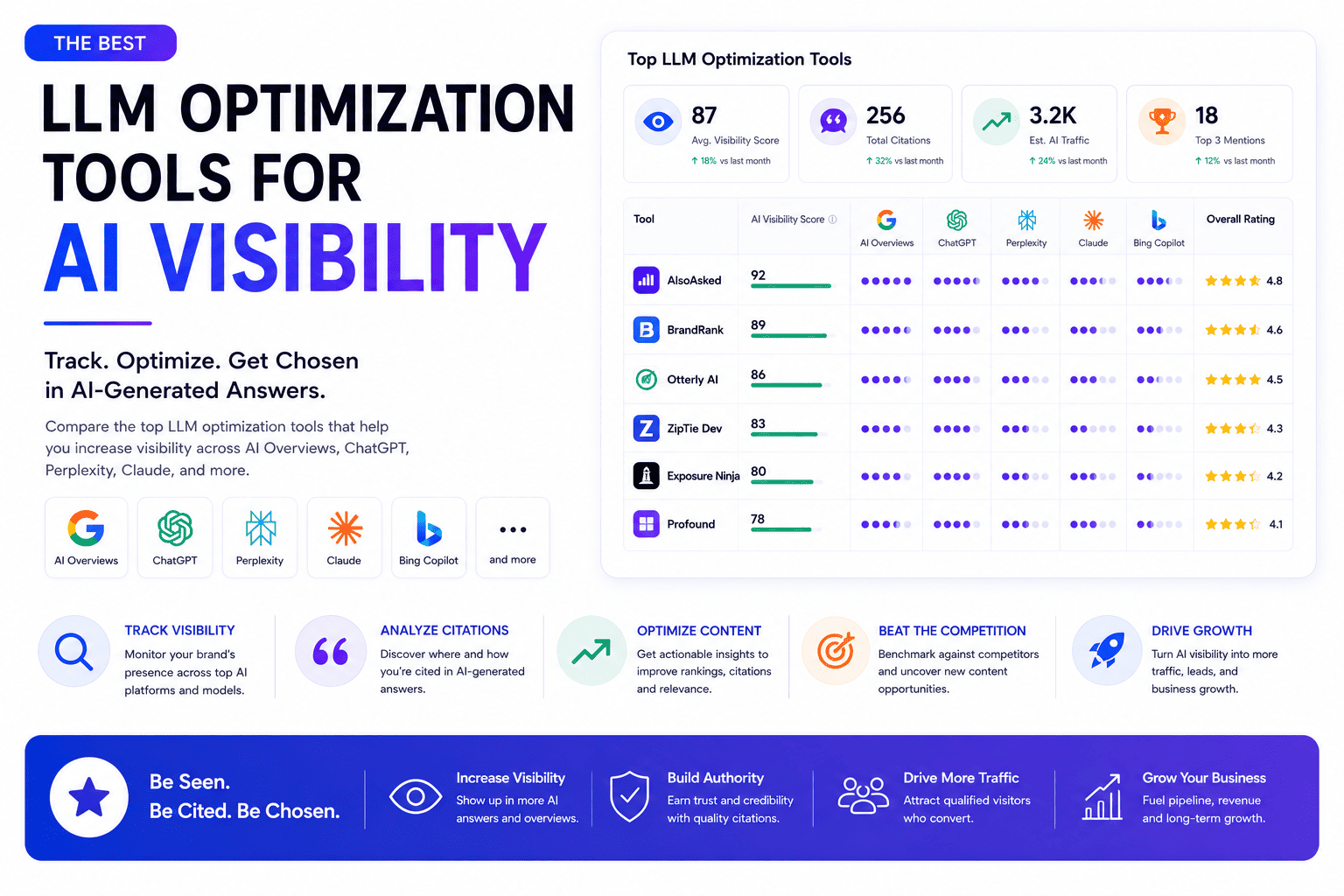
- Tracking keywords that currently show AI Overviews. Many SEO teams now use specialized tools to track rankings in Google AI Overviews and measure how often their content appears in AI-generated citations.
- Monitoring changes after Google updates.
- Reviewing competitor content appearing in citations.
- Building content specifically around explanation-heavy searches.
- Using AI Overview tracking tools to monitor visibility.
The goal is not simply to rank but to become a source Google trusts when generating AI-powered answers.
Key Takeaways
Google AI Overviews are triggered by a combination of:
- Informational search intent
- Complex questions
- Multi-source synthesis needs
- Strong content quality
- Entity clarity
- Schema and structured data
- Domain trust signals
- User behavior patterns
The strongest trigger is often the query itself. Searches that require explanation, comparison, or synthesis are significantly more likely to generate AI Overviews than navigational or transactional searches.
For SEO teams, the most effective strategy is to create authoritative, comprehensive, entity-rich content that helps Google confidently generate accurate AI-powered answers.



.png)

.png)