Google AI Overviews have fundamentally changed how search visibility works.
Traditional SEO rank tracking focused on measuring where a webpage appeared in organic search results. Today, a page can rank #1 organically yet receive fewer clicks because Google displays an AI Overview above the traditional results.
As AI-generated answers become more common, marketers need a new approach to measuring SEO success. Tracking organic rankings alone is no longer enough. You must also track whether your content is being cited, referenced, or included within AI-generated search experiences.
This guide explains how AI Overview SEO rank tracking works, what metrics matter most, and the best tools available in 2026.
Why Tracking AI Overview Presence Is Different
Traditional rank tracking answers one question:
"Where does my page rank?"
AI Overview tracking answers a different question:
"Is my content being used to generate the answer?"
This distinction is important.
Google AI Overviews often:
- Aggregate information from multiple sources
- Cite several websites simultaneously
- Change source selections frequently
- Personalize results based on query intent
- Reduce visibility of traditional rankings
As a result, two websites ranking in the top 5 may experience completely different visibility depending on whether Google cites them in AI-generated responses.
For SEO teams, visibility now includes:
- Organic rankings
- AI Overview inclusion
- Citation frequency
- Brand mentions
- Entity prominence
What Metrics to Track
AI Overview SEO requires a broader measurement framework than traditional rank tracking.
1. AI Overview Presence Rate
This measures how often your website appears in AI Overviews for target keywords.
Formula:
AI Overview Presence Rate = Keywords Cited ÷ Keywords Tracked × 100
Example:
- 100 tracked keywords
- 35 AI Overview appearances
Presence Rate = 35%
This becomes your primary AI visibility KPI.
2. Citation Rate
Citation rate measures how often your domain is selected as a source.
Track:
- Total citations
- Unique pages cited
- Citation growth
- Citation decline
Higher citation rates indicate stronger topical authority.
3. Organic Rankings
Traditional rankings still matter.
Google frequently pulls AI Overview sources from pages already ranking on page one.
Track:
- Top 3 rankings
- Top 10 rankings
- Ranking growth
- Ranking volatility
AI visibility often correlates with strong organic performance.
4. AI Share of Voice
Share of Voice measures how frequently your brand appears compared with competitors.
Example:
| Domain |
Citations |
| Competitor A |
45 |
| Your Site |
32 |
| Competitor B |
27 |
| Competitor C |
19 |
This reveals who owns visibility within a topic cluster.
5. Brand Mentions
Google may mention a company without directly linking to its website.
Track:
- Brand mentions
- Product mentions
- Service mentions
- Expert mentions
Brand visibility often increases before traffic does.
6. Click-Through Rate Changes
Many websites see:
- Increased impressions
- Lower CTR
- Stable rankings
Tracking CTR helps identify AI Overview impact.
Monitor:
- Search Console CTR
- Impression growth
- Click changes
- Query-level CTR
7. AI Overview Volatility
AI-generated answers change frequently.
Track:
- New citations
- Lost citations
- Competitor replacements
- Weekly visibility fluctuations
Volatility monitoring helps identify emerging opportunities.
Manual vs. Automated Tracking
There are two primary ways to track AI Overview visibility.
Manual Tracking
Process:
- Search target keywords
- Record AI Overview appearance
- Identify cited sources
- Capture screenshots
- Track changes over time
Advantages
- Free
- Accurate
- Useful for small keyword sets
Disadvantages
- Time-consuming
- Difficult to scale
- Hard to monitor thousands of keywords
Manual tracking works best for businesses tracking fewer than 50 keywords.
Automated Tracking
Automated tools monitor:
- AI Overview appearance
- Citation frequency
- Competitor visibility
- SERP changes
- Ranking movement
Advantages include:
- Daily updates
- Large keyword tracking
- Historical trends
- Automated reporting
Most agencies should use automated tracking.
Top Rank Tracking Tools Compared
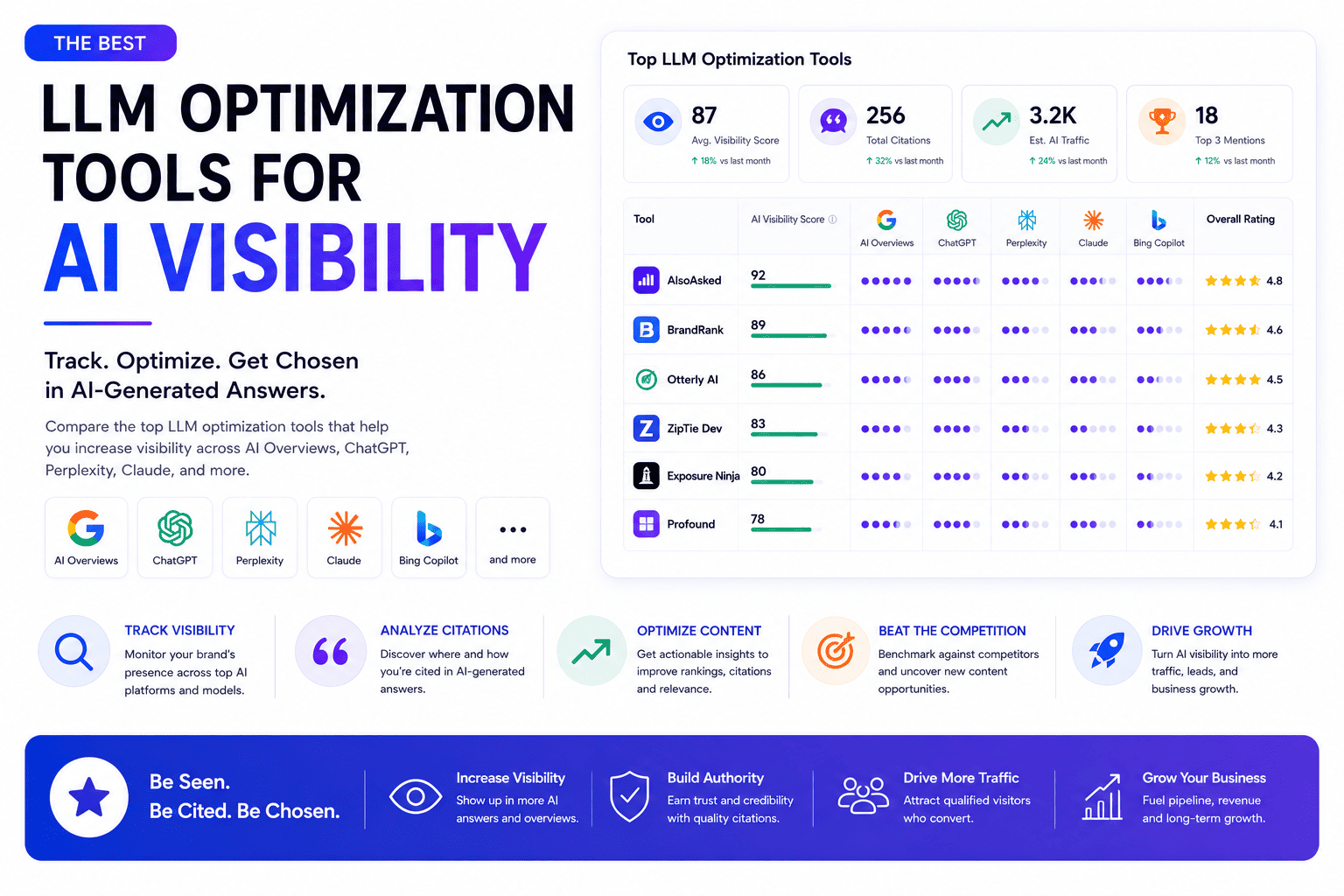
Several SEO platforms now support AI Overview tracking. If you're evaluating software beyond rank tracking alone, see our guide to the best AI visibility optimisation tools reviewed, where we compare platforms that monitor AI citations, brand mentions, entity visibility, and cross-platform AI search performance.
Semrush
Best for enterprise SEO teams.
Features:
- AI Overview detection
- SERP feature tracking
- Visibility trends
- Competitive analysis
- Position monitoring
Pros:
- Large keyword database
- Detailed reporting
- Agency-friendly dashboards
Cons:
Ahrefs
Strong option for content-focused SEO teams.
Features:
- SERP feature tracking
- Organic ranking analysis
- Competitor visibility monitoring
- Keyword opportunity discovery
Pros:
- Excellent backlink intelligence
- Strong content research tools
Cons:
- AI Overview reporting still evolving
SE Ranking
Popular among agencies and consultants.
Features:
- SERP feature monitoring
- Ranking trends
- White-label reporting
- Competitor tracking
Pros:
- Affordable
- Easy client reporting
Cons:
- Fewer AI-specific features than enterprise tools
AccuRanker
Excellent for high-frequency rank tracking.
Features:
- Daily updates
- SERP feature visibility
- Competitive tracking
- Keyword segmentation
Pros:
- Fast updates
- Accurate ranking data
Cons:
- Limited broader SEO toolkit
SISTRIX
Useful for visibility analysis.
Features:
- Search visibility tracking
- SERP feature monitoring
- Competitor benchmarking
Pros:
Cons:
- Less common outside Europe
Advanced Web Ranking (AWR)
Good for agencies managing many clients.
Features:
- Custom reporting
- AI SERP tracking
- Share-of-voice monitoring
- Competitor visibility
Pros:
Cons:
Setting Up Your Tracking Dashboard
A complete AI Overview dashboard should include:
Visibility Metrics
- AI Overview Presence %
- Citation Count
- Share of Voice
- Ranking Distribution
Traffic Metrics
- Organic Clicks
- Impressions
- CTR
- Sessions
Authority Metrics
- Referring Domains
- Brand Mentions
- Entity Citations
- Topical Authority Growth
Competitive Metrics
- Competitor Citation Share
- Lost Citations
- New Citations
- Visibility Changes
Building a Google Looker Studio Dashboard
Many agencies combine:
- Google Search Console
- Semrush
- Ahrefs
- Screaming Frog exports
into a single reporting dashboard.
Recommended dashboard sections:
Executive Summary
- AI Visibility Score
- Citation Growth
- Organic Growth
AI Overview Monitoring
- Tracked Keywords
- Citation Wins
- Citation Losses
Competitor Analysis
- Share of Voice
- Top Competitors
- Citation Comparison
Opportunity Tracking
- Page One Rankings Not Yet Cited
- High-Impression Queries
- Emerging Topics
Reporting AI Overview Performance for Clients
Clients often care about leads and revenue - not citations.
Translate AI visibility into business outcomes.
Instead of saying:
"We gained 25 AI citations."
Say:
"Your brand appeared in AI-generated answers for 25 additional high-intent searches."
Report:
- AI visibility growth
- Competitive gains
- Organic traffic impact
- Lead generation improvements
- Conversion changes
This connects AI SEO efforts to business value.
Common Tracking Mistakes
Tracking Only Rankings
AI visibility requires citation tracking alongside rankings.
Ignoring Competitors
Competitor monitoring often reveals why citations were gained or lost.
Looking at Traffic Alone
Traffic may decrease while brand visibility increases.
Both metrics matter.
Tracking Too Few Keywords
AI Overviews vary by intent.
Use representative keyword groups:
- Informational
- Commercial
- Transactional
- Comparison-based
Future of AI Overview Tracking
By 2027, most SEO reporting platforms are expected to include:
- AI visibility scores
- Citation share metrics
- Entity authority tracking
- Multi-engine AI monitoring
- Predictive AI citation forecasting
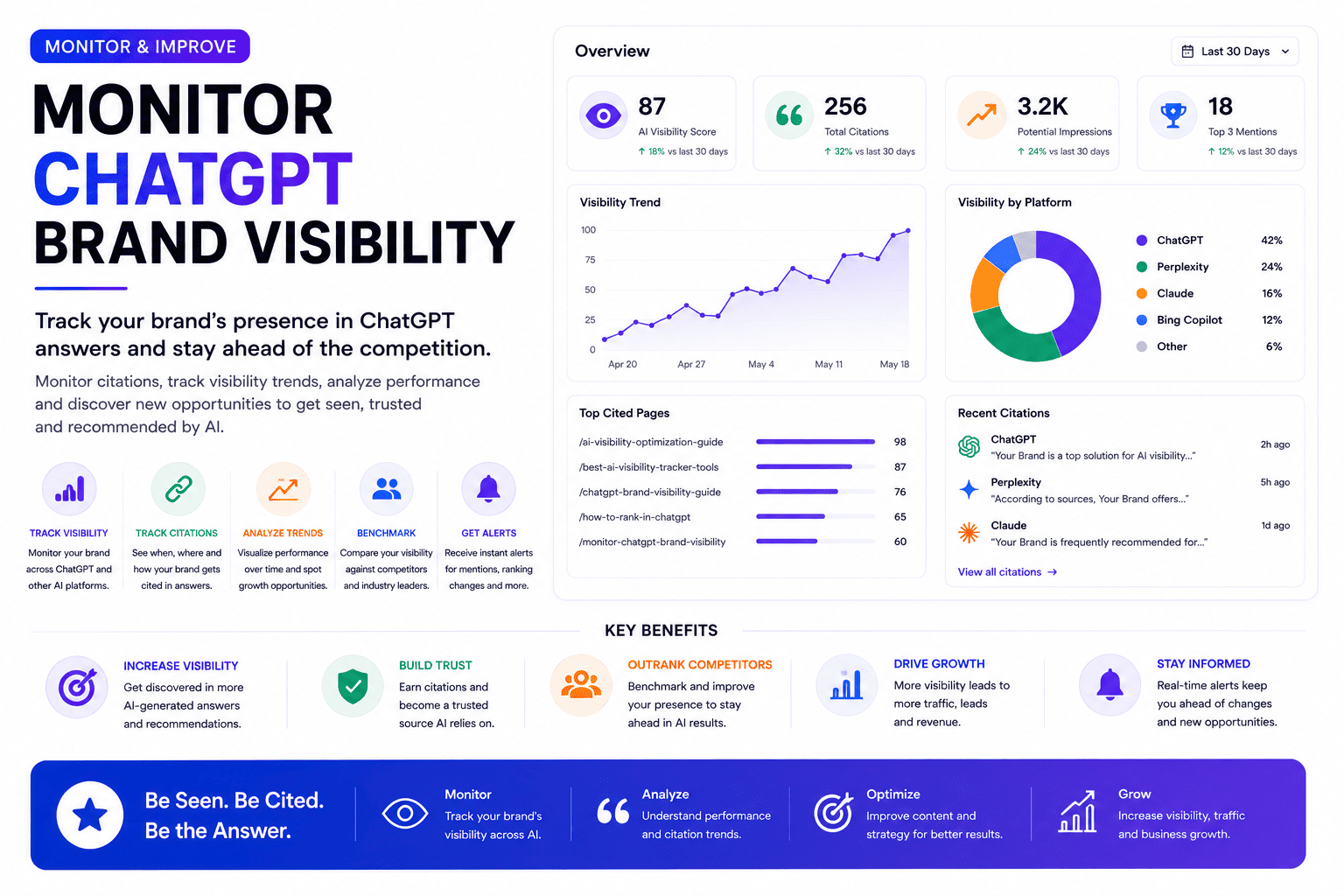
As AI search expands beyond Google, many brands are also investing in tools that track visibility inside generative platforms. Our review of the top ChatGPT visibility tracker tools compared explains how leading platforms monitor citations, mentions, and brand presence within ChatGPT - generated answers.
The SEO industry is moving beyond rankings toward visibility measurement across AI-powered search experiences.
Understanding the broader AI visibility ecosystem is becoming increasingly important. Explore the best AI visibility optimisation tools reviewed to see which platforms provide the most comprehensive monitoring across AI search engines and answer platforms.
Brands that adopt AI Overview tracking today will gain a clearer understanding of how search visibility is evolving.
Final Thoughts
AI Overview SEO rank tracking is becoming a core component of modern search measurement. Traditional rankings still matter, but visibility now extends beyond blue links.
The most successful SEO teams monitor citation rates, AI presence, share of voice, brand mentions, and competitor visibility alongside rankings. By building an AI-focused tracking framework today, businesses can better understand - and improve - their visibility in the future of search.
Ready to see how often your brand appears in AI-generated search results? Try our free AI Overview Rank Tracker and start measuring your AI visibility today.

.png)

.png)

.png)