Search is undergoing its biggest transformation since the rise of Google.
Today, users increasingly turn to AI-powered platforms like ChatGPT, Google AI Overviews, Microsoft Copilot, and Perplexity to find answers instead of clicking through dozens of websites.
Rather than displaying a list of blue links, these platforms generate direct responses by gathering information from multiple sources. As a result, businesses must adapt their visibility strategies to ensure they are included in AI-generated answers.
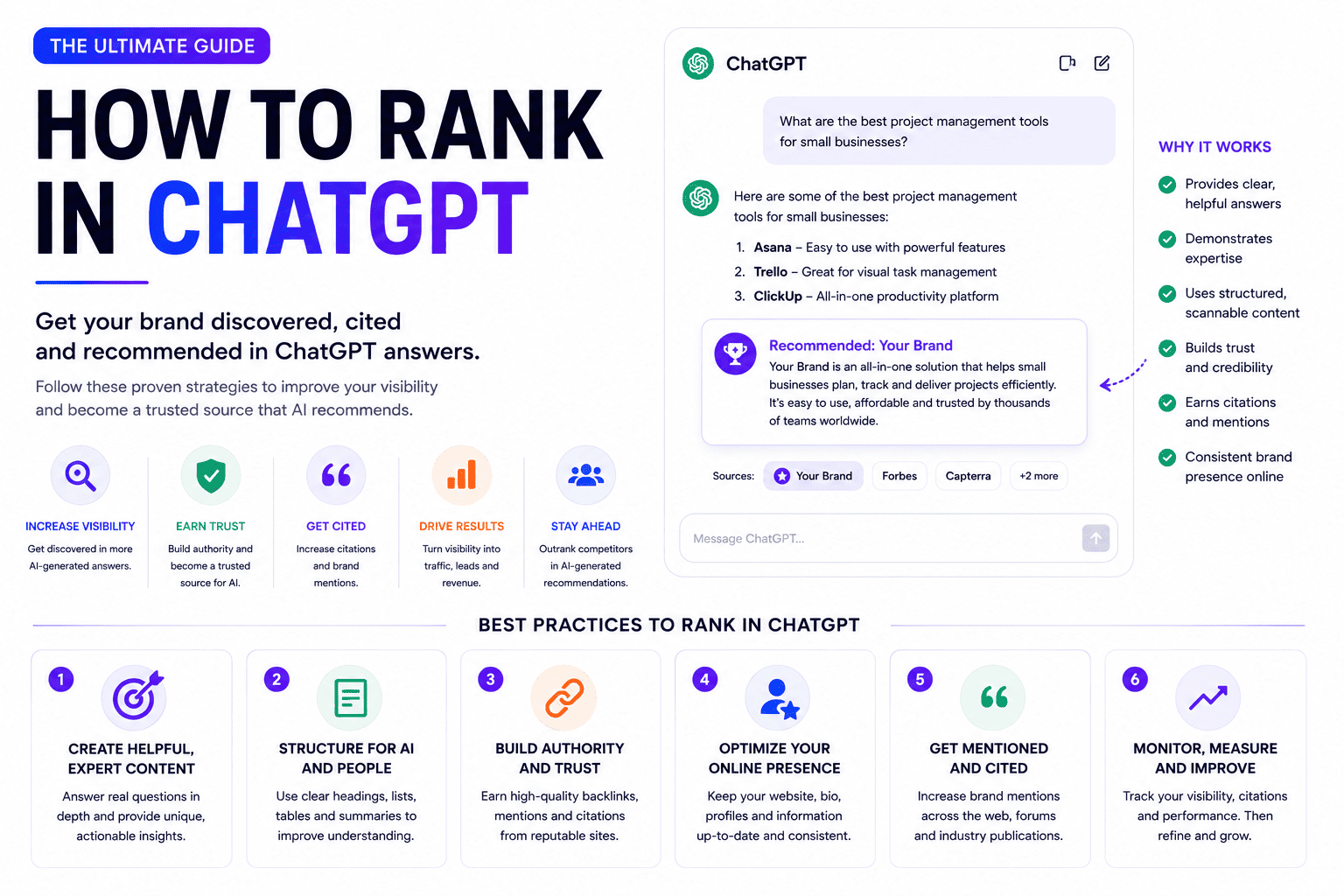
This shift has led to the emergence of Generative Engine Optimisation (GEO) - the practice of optimising content so AI systems can discover, understand, trust, and cite your brand.
If you're new to the concept, read our What Is Generative Engine Optimisation (GEO)? guide to understand how GEO works, its core principles, and how AI platforms evaluate content visibility.
But why is generative engine optimisation important?
In this guide, we'll explore six compelling reasons why GEO should be part of every modern digital marketing strategy.
The Shift to AI-Generated Answers
Traditional search engines focused on ranking webpages.
Generative AI platforms focus on delivering answers.
When users ask:
- "What's the best CRM for small businesses?"
- "Top accounting software for startups"
- "How do I improve local SEO?"
AI systems often provide direct recommendations without requiring users to visit multiple websites.
If your brand isn't recognised by these systems, you may become invisible during the research and decision-making process—even if your website ranks well in traditional search results.
That's exactly why GEO matters.
Reason 1: AI Search Is Growing Fast
The way people search online is changing rapidly.
Millions of users now rely on AI assistants for:
- Product research
- Service recommendations
- Learning new topics
- Software comparisons
- Business decisions
Instead of opening ten tabs and comparing websites, users increasingly prefer receiving a single, comprehensive answer generated by AI.
This means businesses must optimise for:
- AI search engines
- Large language models (LLMs)
- Conversational search experiences
- Answer engines
Companies that invest in GEO today position themselves where user attention is moving.
GEO is only one part of the broader shift toward AI-driven discovery. Understanding how AI-powered search experiences work can help businesses build stronger visibility strategies. Our complete guide to AI Search Engine Optimisation explains how brands can optimise for emerging AI search ecosystems.
Reason 2: Zero-Click Searches Are Increasing
One of the biggest challenges for marketers is the rise of zero-click searches.
A zero-click search occurs when users get their answer directly from the search interface without visiting a website.
AI-generated responses accelerate this trend.
For example, if someone asks:
"What are the best project management tools for remote teams?"
The AI may immediately provide recommendations, key features, pricing summaries, and comparisons.
Users often receive enough information without clicking a single result.
GEO helps ensure your brand appears within these AI-generated recommendations, allowing you to gain visibility even when clicks decline.
Reason 3: GEO Builds Brand Authority
AI systems prioritize sources they perceive as trustworthy, authoritative, and credible.
When your content is consistently:
- Referenced across the web
- Supported by expert insights
- Structured clearly
- Updated regularly
- Associated with strong entities
AI platforms become more likely to cite your brand.
Over time, repeated citations can strengthen:
- Brand recognition
- Industry authority
- User trust
- Thought leadership
Being recommended by AI assistants can significantly influence purchase decisions.
Reason 4: GEO Creates a Competitive Advantage
Most businesses are still focused exclusively on traditional SEO.
While SEO remains important, many competitors have not yet developed a strategy for AI visibility.
This creates an opportunity.
Brands that invest in GEO early can:
- Capture AI citations before competitors
- Build stronger entity recognition
- Establish topical authority faster
- Gain visibility in emerging AI platforms
Just as early SEO adopters benefited during Google's growth phase, early GEO adopters may gain significant long-term advantages.
Reason 5: GEO Future-Proofs Your Marketing Strategy
Search behavior will continue evolving.
AI-generated answers are becoming integrated into:
- Search engines
- Voice assistants
- Mobile devices
- Productivity tools
- Enterprise software
As these experiences expand, visibility will increasingly depend on whether AI systems understand and trust your brand.
Businesses that rely solely on traditional rankings may struggle as search experiences become more conversational and answer-driven.
GEO helps future-proof your digital presence by preparing your content for the next generation of search.
Reason 6: GEO Benefits Compound Over Time
One of GEO's most valuable characteristics is that its impact compounds.
When you consistently improve:
- Content quality
- Topic coverage
- Entity optimisation
- Structured data implementation
- Digital authority
You create stronger signals that AI systems can use when generating responses.
Over time this can lead to:
- More AI citations
- Greater brand visibility
- Increased trust signals
- Better traditional SEO performance
- Improved conversion opportunities
Unlike short-term marketing tactics, GEO often becomes more effective as your authority grows.
How to Get Started with GEO
If you're new to Generative Engine Optimisation, start with these foundational steps:
1. Build Topic Authority
Create comprehensive content around your core expertise.
Instead of publishing isolated articles, develop topic clusters that cover a subject in depth.
2. Strengthen Entity Signals
Clearly define:
- Your brand
- Products
- Services
- Authors
- Expertise
Consistency across all digital channels helps AI systems understand who you are.
3. Improve Content Structure
Use:
- Clear headings
- FAQs
- Lists
- Tables
- Summaries
Well-structured content is easier for AI systems to interpret and cite.
4. Implement Structured Data
Schema markup helps search engines and AI systems understand the meaning behind your content.
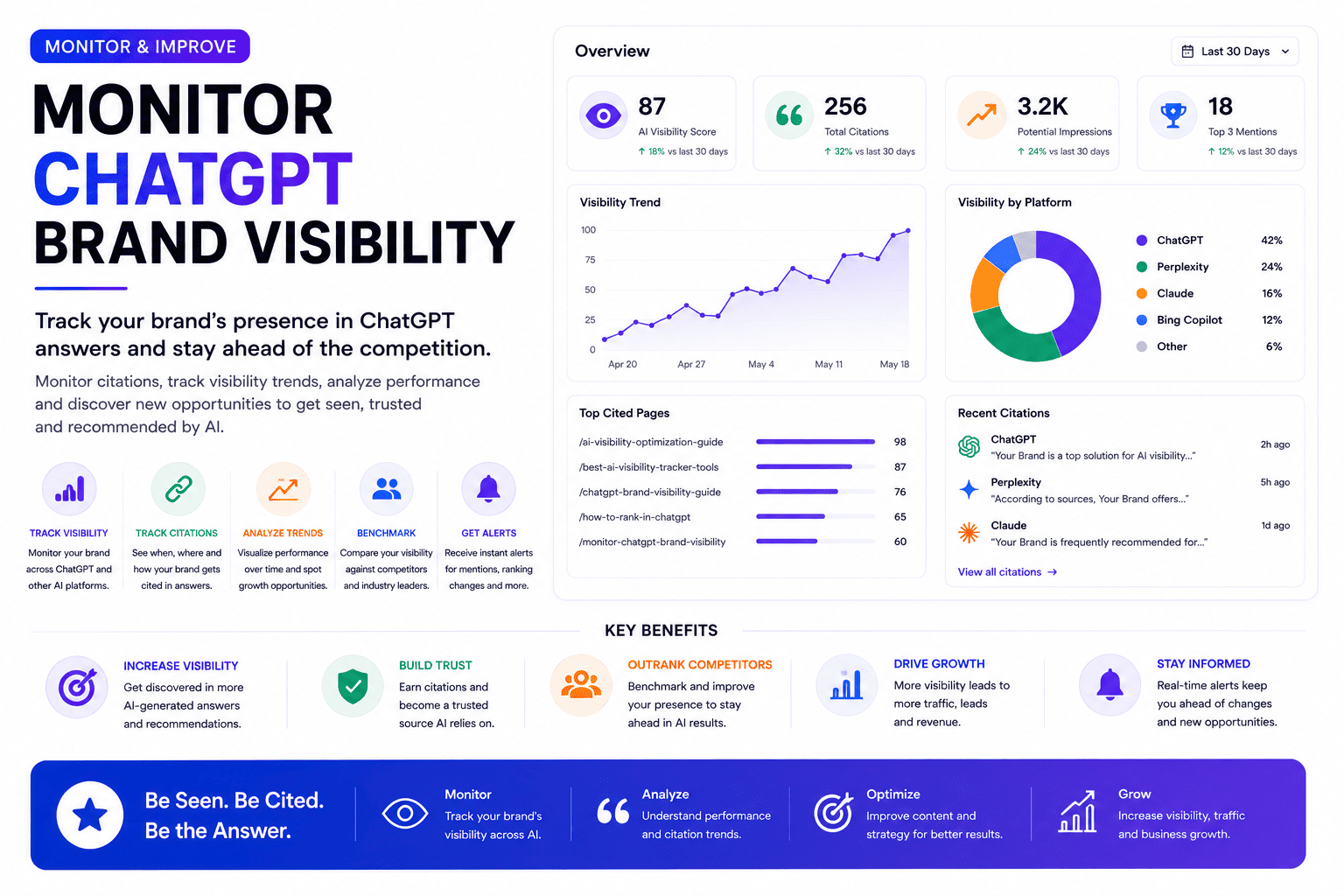
5. Monitor AI Visibility
Track how often your brand appears in:
- AI-generated answers
- AI search tools
- Recommendation prompts
- Industry-related conversations
Visibility measurement is becoming a critical GEO metric.
GEO and SEO Work Better Together
A common misconception is that GEO will replace SEO.
In reality, they complement each other.
| Traditional SEO |
Generative Engine Optimisation |
| Focuses on rankings |
Focuses on AI citations |
| Optimises webpages |
Optimises knowledge signals |
| Measures clicks |
Measures visibility in AI answers |
| Targets search engines |
Targets AI systems and answer engines |
| Improves SERP performance |
Improves AI recommendation presence |
The strongest digital strategies combine both approaches.
Conclusion
Generative Engine Optimisation is becoming essential because search is evolving from links to answers.
As AI-powered search experiences continue growing, businesses need new strategies to remain visible where customers are looking for information.
The six key reasons GEO matters are:
- AI search is growing rapidly.
- Zero-click searches are increasing.
- GEO strengthens brand authority.
- Early adopters gain a competitive advantage.
- GEO future-proofs marketing efforts.
- GEO benefits compound over time.
Brands that begin investing in GEO today will be better positioned to earn visibility, trust, and recommendations across the AI-driven search ecosystem of tomorrow.
Start with GEO Today
The AI search revolution is already underway. If your brand isn't being cited, recommended, or referenced by AI systems, you're missing valuable visibility opportunities. Start building a GEO strategy today and position your business for the future of search.



.png)

.png)