Search is changing faster than at any point since Google launched.
For more than two decades, SEO was primarily about ranking webpages in traditional search results. Today, users increasingly get answers directly from AI-powered search experiences such as Google's AI Overviews, Google's Gemini-powered Search, Microsoft's Copilot, ChatGPT Search, Perplexity AI, and other generative search engines.
Instead of presenting a list of links, these systems generate answers by synthesising information from multiple sources and citing the websites they trust.
As a result, businesses must optimise not only for traditional rankings but also for AI-generated answers.
This new discipline is known as AI Search Engine Optimisation (AI SEO). Many marketers also refer to this practice as Generative Engine Optimisation (GEO), which focuses on improving visibility within AI-generated answers and conversational search experiences.
AI SEO overlaps heavily with Generative Engine Optimisation (GEO), which focuses specifically on increasing visibility within AI-generated answers and conversational search engines. If you're new to the concept, read our guide on Generative Engine Optimisation (GEO) to understand how it differs from traditional SEO and where it fits within modern search strategies.
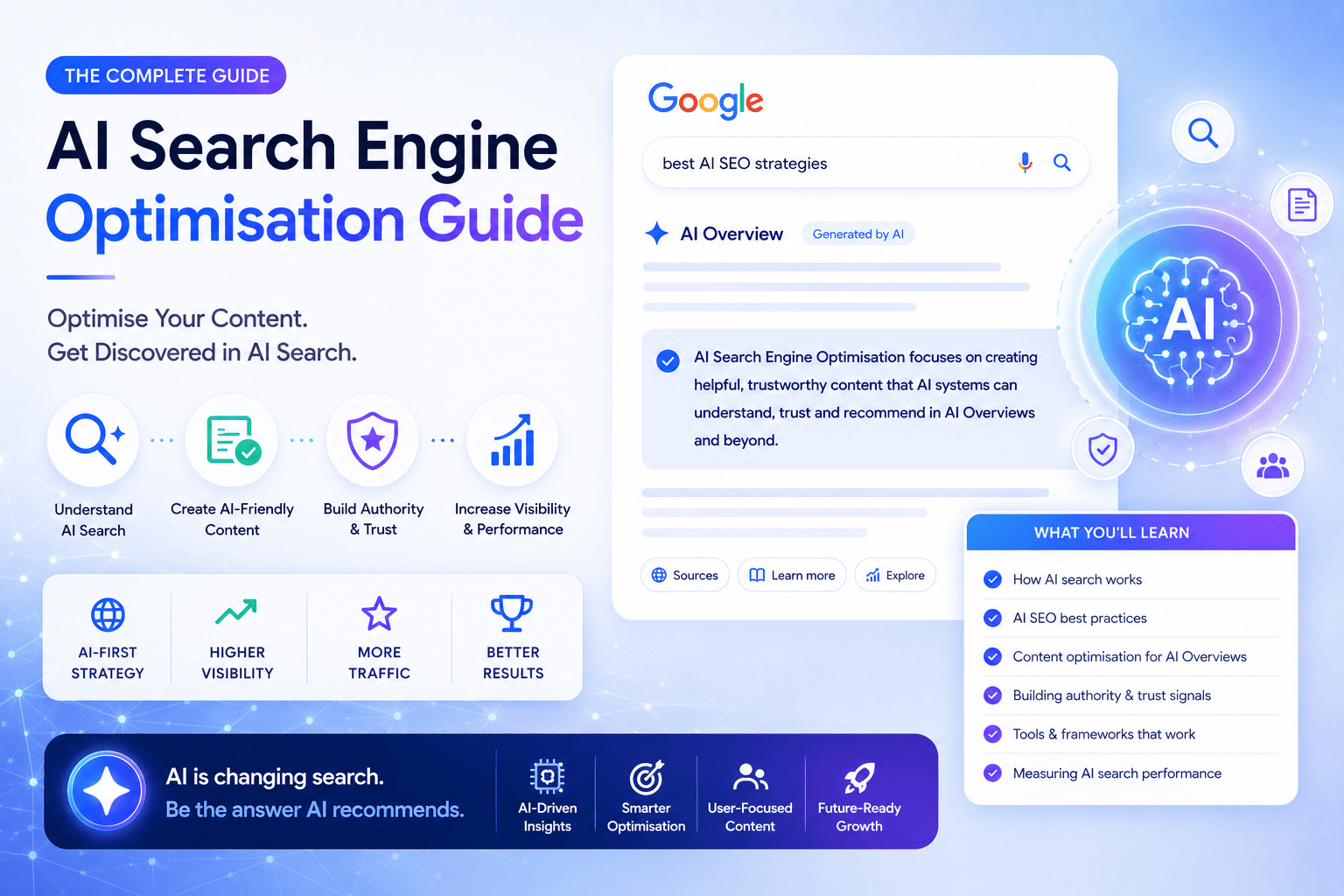
In this guide, you'll learn:
- What AI Search Engine Optimisation is
- How AI search differs from traditional search
- The ranking signals AI systems rely on
- Proven optimisation strategies for 2026
- Technical requirements for AI visibility
- How to measure success in AI search environments
Featured snippet
What Is AI Search Engine Optimisation?
AI Search Engine Optimisation is the process of improving your website's visibility within AI-generated search results, conversational search engines, and answer engines.
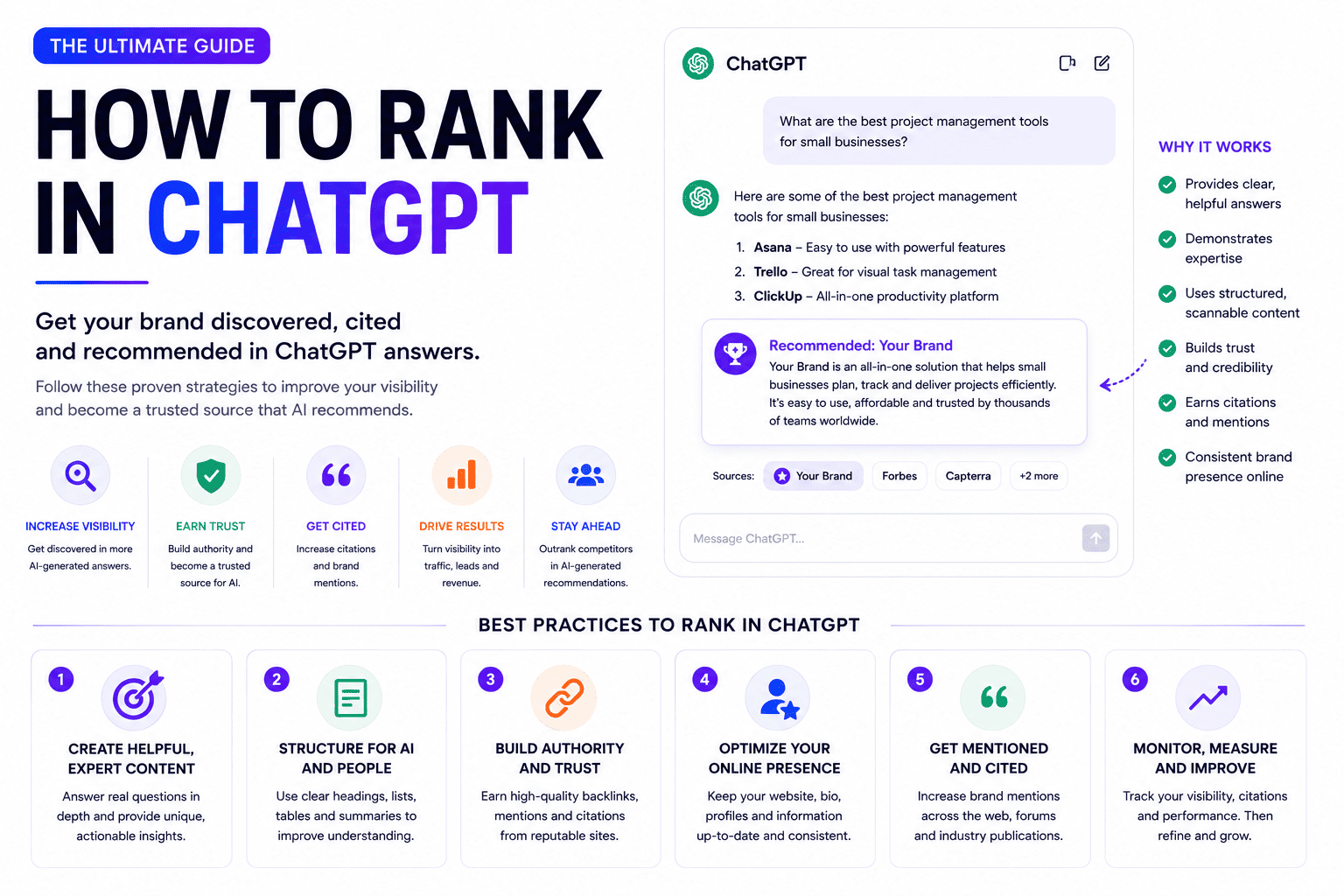
Rather than focusing exclusively on rankings, AI SEO aims to increase the likelihood that your brand, content, products, and expertise are referenced or cited within AI-generated responses.
AI SEO encompasses optimisation for:
- Google AI Overviews
- Google Gemini-powered search experiences
- ChatGPT Search
- Perplexity AI
- Microsoft Copilot
- Claude and other AI assistants
- Emerging answer engines and conversational search platforms
The objective is simple:
Become a trusted source that AI systems choose to reference when generating answers.
Why AI Search Matters in 2026
Consumer search behaviour is changing rapidly.
Users increasingly ask:
- Complex questions
- Multi-step queries
- Research-based questions
- Comparative searches
- Decision-making queries
Instead of clicking through ten search results, they expect AI to deliver an immediate answer.
For businesses, this creates both opportunities and challenges.
The Opportunity
When your content is cited within AI-generated answers:
- Brand visibility increases
- Authority improves
- Qualified traffic grows
- Trust develops before users visit your website
A single AI citation can influence hundreds or thousands of searchers.
The Challenge
Traditional rankings alone no longer guarantee visibility.
A page may rank #1 organically yet fail to appear in AI-generated responses if the content lacks authority, structure, trust signals, or contextual relevance.
How AI Search Differs from Traditional Search
Understanding the difference is critical.
Traditional Search
Traditional SEO focuses on:
- Keyword relevance
- Backlinks
- On-page optimisation
- Search rankings
- Click-through rates
Users see a list of webpages and choose which result to visit.
AI Search
AI search focuses on:
- Information quality
- Source credibility
- Contextual understanding
- Entity relationships
- Expertise signals
- Content comprehensiveness
Instead of returning webpages, AI systems generate answers using information extracted from trusted sources.
Key Shift
Traditional SEO asks:
"How do I rank higher?"
AI SEO asks:
"How do I become a source AI systems trust enough to cite?"
How AI Search Engines Generate Answers
Although every platform works differently, most follow a similar process.
Step 1: Understand User Intent
AI systems analyse:
- Query meaning
- Context
- User intent
- Conversational history
Step 2: Retrieve Relevant Sources
The system gathers information from:
- Search indexes
- Knowledge graphs
- Trusted websites
- Structured data sources
Step 3: Evaluate Source Quality
AI models assess:
- Expertise
- Authority
- Freshness
- Accuracy
- Reputation
Step 4: Generate the Response
The AI combines information from multiple sources and generates a summarised answer.
Step 5: Cite Sources
The most trusted sources are often referenced directly.
This is where AI SEO becomes essential.
Key Ranking Signals in AI Search
While exact algorithms remain proprietary, several factors consistently influence AI visibility.
1. Topical Authority
AI systems favour websites demonstrating deep expertise.
Rather than publishing one article on a topic, create comprehensive content clusters covering:
- Core topics
- Subtopics
- Supporting concepts
- Industry questions
The more complete your coverage, the stronger your authority.
2. Content Quality
AI models reward content that is:
- Accurate
- Comprehensive
- Up to date
- Well researched
- Factually supported
Thin content struggles to earn citations.
3. Entity Recognition
Modern AI systems understand entities rather than just keywords.
Examples include:
- Brands
- Products
- Services
- People
- Locations
Clearly define and consistently reference your entities across your website.
4. Expertise Signals
Demonstrate expertise through:
- Author bios
- Credentials
- Case studies
- Original research
- Industry experience
Strong expertise increases citation likelihood.
5. External Validation
AI systems often consider signals such as:
- Backlinks
- Brand mentions
- Reviews
- Citations
- Media coverage
Trusted brands tend to appear more frequently in AI-generated responses.
On-Page AI Search Optimisation Strategies
Create Question-Based Content
AI search is heavily query-driven. Once you understand the fundamentals of AI SEO, the next step is implementing content-level optimisation techniques. Our guide on how to optimise content for AI search engines provides a practical framework for structuring pages, improving answer extraction, and increasing citation potential across AI-powered search platforms.
Build content around questions your audience asks.
Examples:
- What is AI Search Engine Optimisation?
- How does AI SEO work?
- Is AI replacing traditional SEO?
Question-focused content aligns naturally with conversational search. To implement these strategies effectively, follow our detailed guide on how to optimise content for AI search engines, which covers content structure, answer formatting, entity optimisation, and AI citation best practices.
Use Clear Content Structure
Organise content using:
- H2 headings
- H3 subheadings
- Bullet lists
- Tables
- Definitions
- Step-by-step instructions
Structured content is easier for AI systems to interpret and extract.
Answer Questions Directly
Provide concise answers immediately after headings.
Example:
What is AI Search Engine Optimisation?
AI Search Engine Optimisation is the process of improving visibility within AI-generated search results and answer engines.
Direct answers improve extraction potential.
Build Comprehensive Topic Coverage
Instead of publishing dozens of short articles, create:
- Pillar content
- Supporting cluster articles
- Detailed resource hubs
Depth consistently outperforms superficial coverage.
Add Original Insights
AI systems increasingly value unique information.
Examples include:
- Proprietary research
- Industry surveys
- Customer data
- Case studies
- Expert commentary
Original insights make your content more citation-worthy.
Technical SEO for AI Search
Technical foundations remain important.
Optimise Crawlability
Ensure search engines can:
- Discover pages
- Access content
- Render pages correctly
Avoid blocking important resources.
Improve Site Speed
Fast websites improve:
- User experience
- Crawl efficiency
- Content accessibility
Focus on:
- Core Web Vitals
- Image optimisation
- Caching
- Efficient code
Implement Structured Data
Schema markup helps AI systems understand content.
Useful schema types include:
- Article
- FAQ
- Organisation
- Product
- Service
- Person
- Review
Structured data improves contextual understanding.
Maintain Clean Site Architecture
Create logical hierarchies that clearly define:
- Categories
- Services
- Resources
- Topic clusters
Well-organised websites help AI systems establish topical relationships.
Strengthen Internal Linking
Internal links help AI understand:
- Topic relationships
- Authority distribution
- Content hierarchy
Use descriptive anchor text wherever possible.
Content Formats That Win in AI Search
Not all content performs equally.
The following formats frequently earn citations.
Comprehensive Guides
Long-form educational resources often become primary source material.
Examples:
- Ultimate guides
- Definitive resources
- Industry playbooks
Research Studies
Original data is highly valuable.
Consider publishing:
- Surveys
- Industry benchmarks
- Annual reports
- Trend analyses
Comparison Content
AI systems frequently reference comparison pages.
Examples:
- AI SEO vs Traditional SEO
- ChatGPT vs Gemini
- SEO Agency vs AI SEO Agency
FAQs
Question-and-answer formats align naturally with conversational search.
Dedicated FAQ sections improve AI discoverability.
Case Studies
Real-world evidence builds trust.
Include:
- Objectives
- Strategies
- Results
- Metrics
- Lessons learned
Building Brand Authority for AI Search
Brands with strong authority consistently receive more AI citations.
Focus on:
Digital PR
Earn mentions from reputable publications.
Expert Contributions
Publish thought leadership content.
Industry Partnerships
Collaborate with recognised organisations.
Consistent Branding
Ensure your brand information remains consistent across:
- Website
- Social profiles
- Business directories
- Industry listings
Consistency strengthens entity recognition.
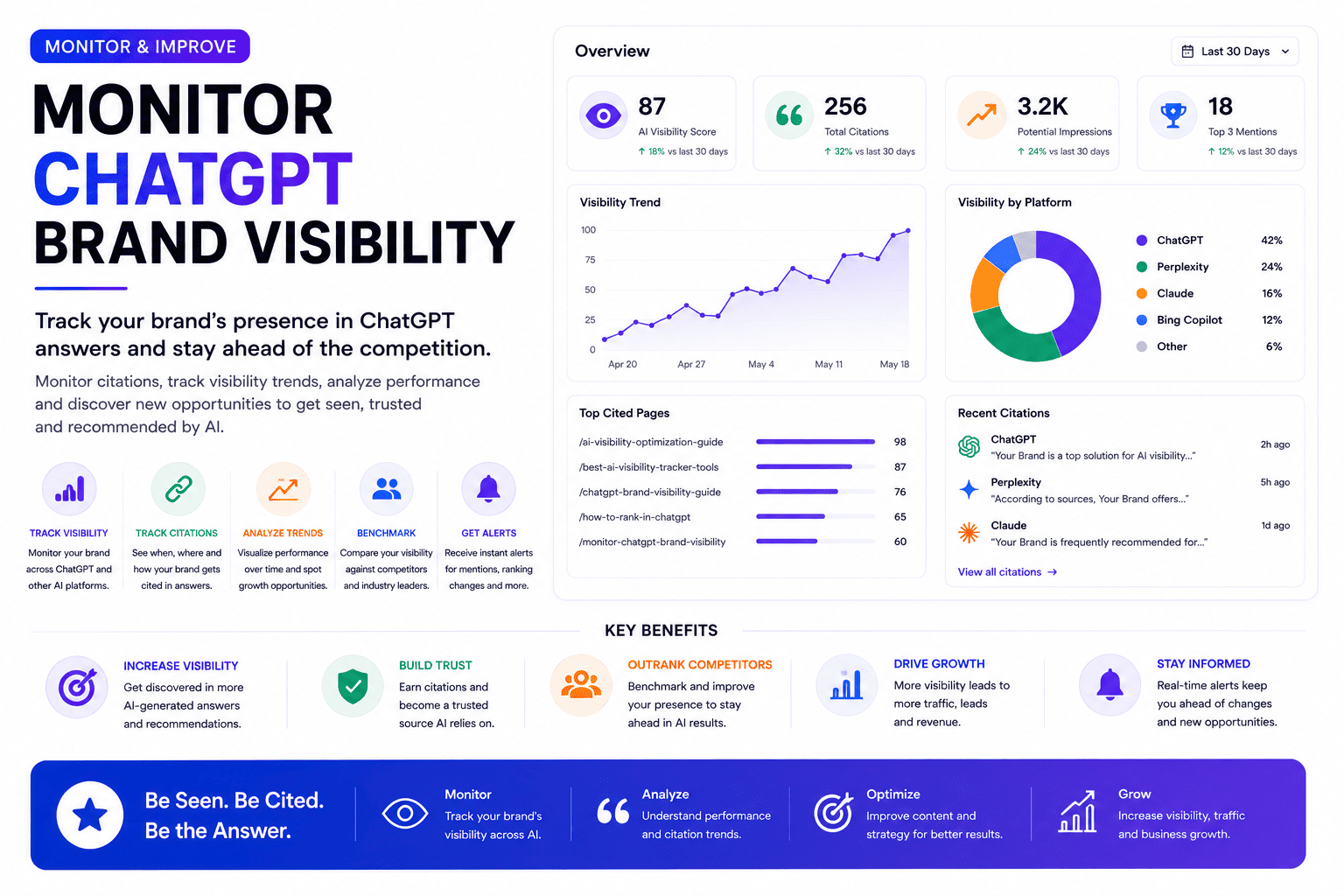
Measuring Success in AI Search
Traditional SEO metrics are still useful, but AI SEO introduces new indicators.
Track:
Brand Mentions
Monitor whether AI systems reference your brand.
Citation Frequency
Measure how often your content appears in AI-generated answers.
Referral Traffic
Analyse traffic from:
- ChatGPT
- Perplexity
- Copilot
- Gemini
Visibility Growth
Track increases in:
- Impressions
- Branded searches
- Organic traffic
Conversion Impact
Ultimately, business outcomes matter most.
Measure:
- Leads
- Sales
- Revenue
- Customer acquisition
Tools & Resources for AI Search Optimisation
A strong AI SEO workflow often includes:
Research Tools
- Google Search Console
- Google Trends
- Semrush
- Ahrefs
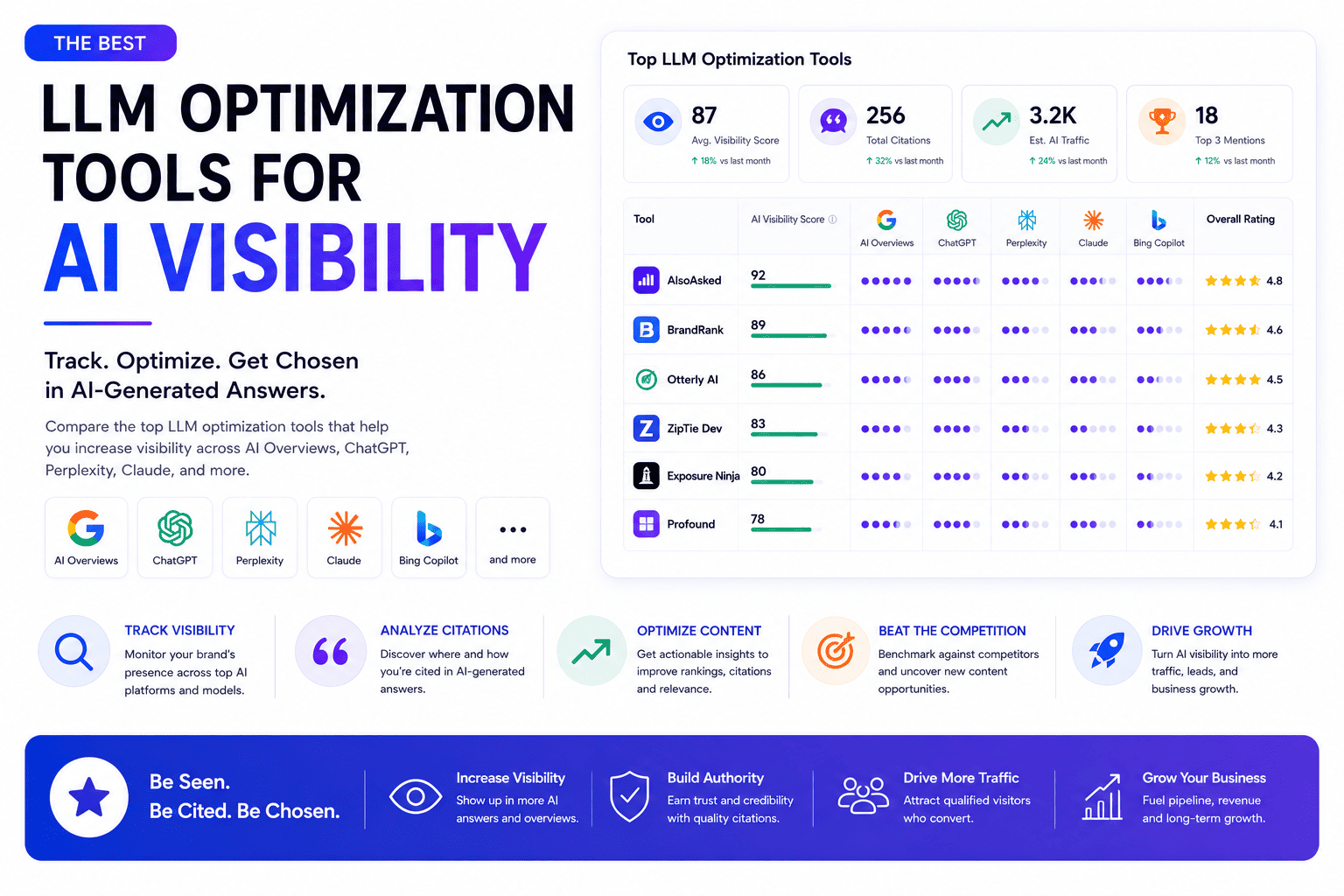
AI Visibility Platforms
- Profound
- Peec AI
- Goodie AI
- Scrunch AI
Technical SEO Tools
- Screaming Frog
- Sitebulb
- PageSpeed Insights
Content Optimisation Tools
- Surfer SEO
- Clearscope
- MarketMuse
Use these tools to identify opportunities and measure performance across both traditional and AI search.
The Future of AI Search
AI search is not replacing traditional SEO.
Instead, search is evolving into a hybrid ecosystem where:
- Rankings still matter
- Authority matters more
- Trust becomes essential
- Entities become increasingly important
- AI citations influence purchasing decisions
Businesses that adapt early will gain a significant competitive advantage.
The companies that become trusted sources today are likely to dominate AI-generated search experiences tomorrow.
Frequently Asked Questions
What is AI Search Engine Optimisation?
AI Search Engine Optimisation is the process of improving visibility within AI-generated search results, answer engines, and conversational AI platforms.
Is AI SEO different from traditional SEO?
Yes. Traditional SEO focuses primarily on rankings, while AI SEO focuses on becoming a trusted source that AI systems cite and reference.
Does Google AI Overview affect SEO?
Yes. AI Overviews can reduce clicks to traditional search results while increasing the importance of authoritative, citation-worthy content.
What are the most important AI SEO ranking factors?
Key factors include topical authority, content quality, entity recognition, expertise signals, structured data, and external trust indicators.
Can small businesses benefit from AI Search Engine Optimisation?
Absolutely. AI search often rewards expertise and content quality over brand size, creating opportunities for smaller businesses to compete effectively.
Conclusion
AI Search Engine Optimisation is rapidly becoming a core component of modern digital marketing.
Success in 2026 requires more than ranking webpages. It requires building authority, demonstrating expertise, publishing high-quality content, and creating information that AI systems trust enough to reference.
The organisations winning in AI search are not necessarily those with the most backlinks or the highest rankings. They are the brands producing the most useful, trustworthy, and comprehensive content.
Start by strengthening your topical authority, improving technical SEO foundations, implementing structured data, and creating genuinely valuable content.
The sooner you optimise for AI search, the greater your opportunity to earn visibility across the next generation of search experiences.
Download the SEO + AI Playbook
Want a practical framework for improving visibility in Google AI Overviews, ChatGPT Search, Gemini, and Perplexity?
Download our SEO + AI Playbook and discover the exact processes, optimisation checklists, and AI visibility strategies used to help brands increase their presence across modern search experiences.


.png)

.png)