Search is changing faster than at any point since Google's introduction of featured snippets.
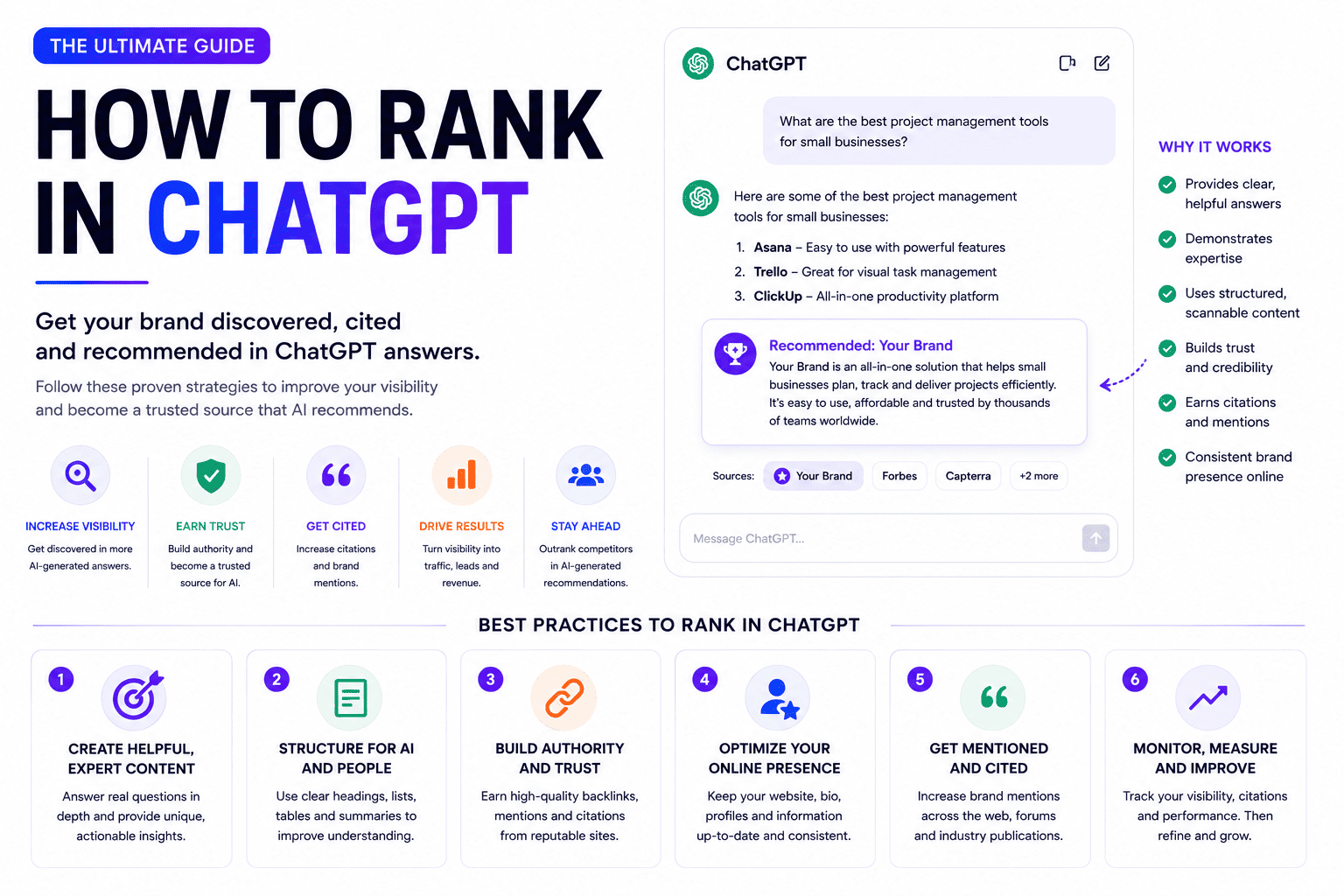
Today, users increasingly receive answers directly from AI-powered search experiences instead of clicking through traditional search results. Platforms such as Google AI Overviews, OpenAI, Microsoft, and Perplexity AI are changing how information is discovered, evaluated, and cited.
As a result, traditional SEO alone is no longer enough.
Businesses must adapt their content, technical foundations, and authority signals to increase visibility within AI-generated answers.
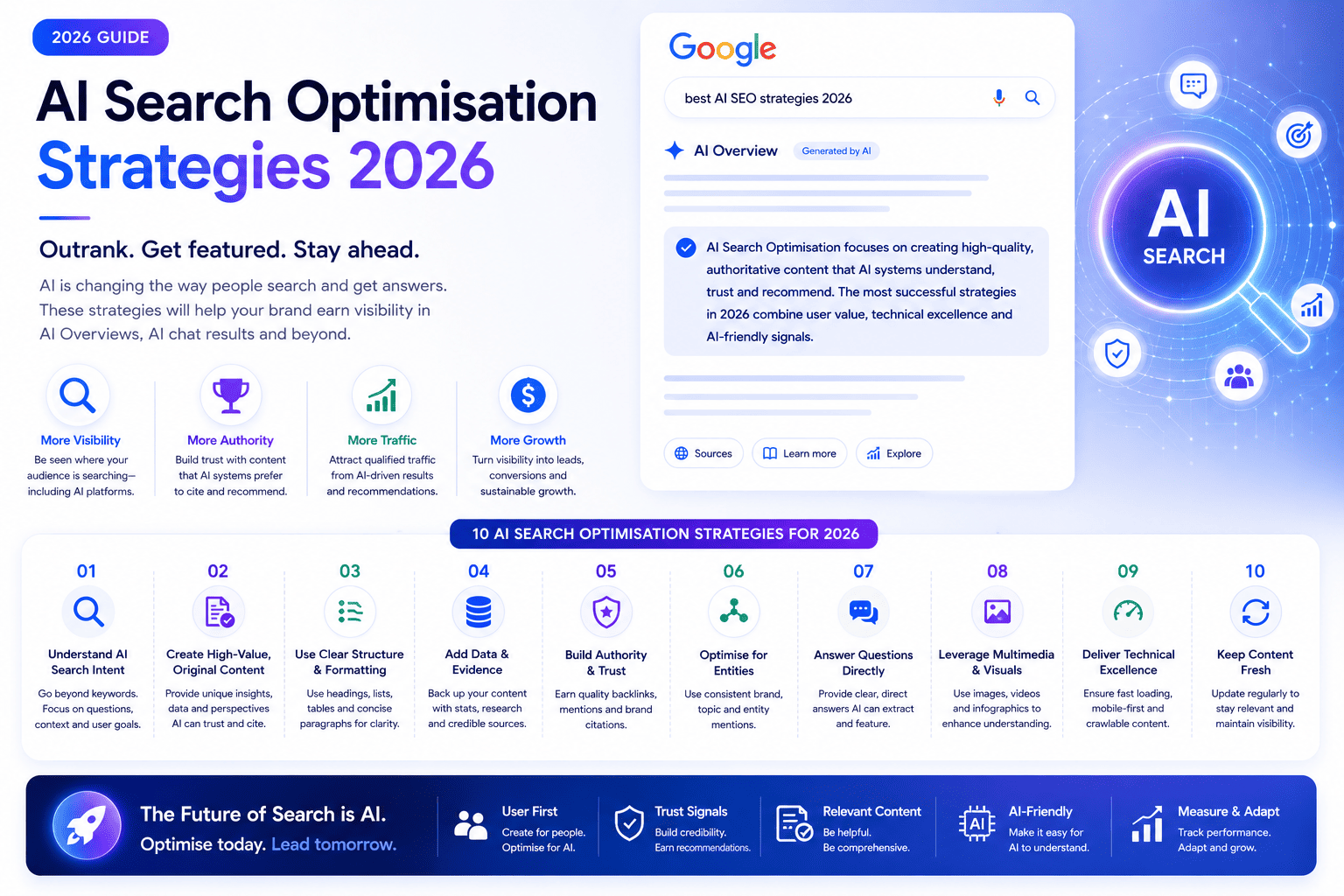
In this guide, you'll learn the AI search engine optimisation strategies that are producing results in 2026—and how to implement them before your competitors do.
The Shifting AI Search Landscape
Traditional SEO focused on ranking webpages.
AI search focuses on selecting trustworthy sources to generate answers.
Instead of simply identifying the page with the highest ranking signals, AI systems evaluate:
- Topical expertise
- Entity relationships
- Structured content
- Brand authority
- Citation quality
- Content freshness
- User satisfaction signals
The question is no longer:
"How do I rank #1?"
The question is:
"How do I become a source AI systems trust enough to cite?"
If you're new to AI-powered search and want to understand the complete landscape before implementing these tactics, read our AI Search Engine Optimisation The Definitive Guide for 2026. It explains how AI search works, the major platforms driving change, and the foundations every business should understand before building an optimisation strategy.
The strategies below are designed to help accomplish exactly that.
Strategy #1: Create Conversational Content
AI search engines are built around natural language.
Users increasingly search using complete questions:
- What is AI search engine optimisation?
- How does AI SEO differ from traditional SEO?
- What are the best AI SEO strategies for SaaS companies?
Content written solely around short keywords often performs poorly in AI-powered environments.
Instead:
Use Question-Based Headings
Structure content around real user questions.
Examples:
- What is AI search optimisation?
- Why is entity SEO important?
- How do AI search engines choose sources?
Answer Early
Provide direct answers within the first 2–3 sentences.
AI systems prefer content that delivers immediate value.
Write Naturally
Avoid keyword stuffing.
Focus on:
- Clarity
- Readability
- Context
- Completeness
The easier your content is to understand, the easier it becomes for AI systems to extract and cite.
Strategy #2: Build Topical Authority Clusters
One article rarely establishes expertise.
AI search engines increasingly evaluate topic depth across an entire website.
Instead of publishing isolated posts, create content clusters.
Example AI Search Optimisation Cluster:
Pillar Page
- AI Search Engine Optimisation Guide
Supporting Pages
- How to Optimise Content for AI Search
- AI Search Ranking Factors
- AI Search vs Traditional SEO
- AI Search Optimisation Checklist
- GEO vs SEO Explained
- AI Search Metrics and Reporting
This structure helps AI systems understand:
- Topic coverage
- Expertise depth
- Subject relevance
The more complete your coverage, the stronger your authority becomes.
Strategy #3: Implement Structured Data at Scale
Structured data helps AI systems understand content more accurately.
Many websites only use basic schema.
Leading brands are expanding implementation across their content ecosystem.
Consider:
- Article Schema
- FAQ Schema
- Organization Schema
- Person Schema
- Product Schema
- Service Schema
- Review Schema
- Breadcrumb Schema
Structured data provides machine-readable context that improves discoverability and entity recognition. Structured data is one of the core pillars of modern AI SEO. If you're looking for a broader framework that combines schema, entity optimisation, authority building, and content strategy, start with our complete AI Search Engine Optimisation guide.
For AI search, this extra context can significantly improve understanding and citation opportunities.
Strategy #4: Prioritise Entity Optimisation
Entities are becoming one of the most important concepts in AI SEO.
An entity is a clearly identifiable thing:
- A company
- A person
- A product
- A location
- A service
AI systems build knowledge graphs by connecting entities and relationships.
To strengthen entity recognition:
Clearly Define Your Brand
Ensure consistency across:
- Website
- Social profiles
- Business directories
- Press mentions
Create Entity-Rich Content
Mention:
- Relevant people
- Technologies
- Products
- Industries
- Locations
Strengthen Semantic Relationships
Help AI understand how your brand relates to key industry concepts.
The stronger these relationships become, the more likely your content is to appear in AI-generated responses.
Strategy #5: Focus on Citation Building
Backlinks remain valuable.
However, AI search introduces a new priority:
Citations.
AI systems frequently reference sources they consider authoritative.
To increase citation opportunities:
Publish Original Research
Examples include:
- Industry surveys
- Benchmark reports
- Proprietary data
- Case studies
Create Statistics Pages
Well-maintained statistics resources often become citation magnets.
Produce Expert-Led Content
First-hand expertise increases trustworthiness and citation potential.
When AI systems need evidence to support an answer, they often prefer sources containing unique data and expert insights.
Strategy #6: Increase Brand Mentions Across the Web
AI search engines evaluate more than links.
They also assess brand presence and reputation signals.
Useful activities include:
Digital PR
Earn coverage from industry publications.
Guest Contributions
Publish insights on respected websites.
Podcast Appearances
Increase visibility among relevant audiences.
Industry Communities
Participate in:
- Forums
- Professional groups
- Industry discussions
Consistent mentions across authoritative sources strengthen your brand's perceived authority.
This can improve visibility in AI-generated answers even when direct backlinks are limited.
Strategy #7: Improve Speed and Core Web Vitals
AI search still relies on accessible, high-quality webpages.
Technical performance remains critical.
Focus on:
Core Web Vitals
Improve:
- Largest Contentful Paint (LCP)
- Interaction to Next Paint (INP)
- Cumulative Layout Shift (CLS)
Mobile Experience
Ensure:
- Responsive layouts
- Fast loading times
- Easy navigation
Crawlability
Maintain:
- Clean site architecture
- Internal linking
- XML sitemaps
- Proper indexing controls
A technically sound website makes it easier for both search crawlers and AI systems to access your content.
Strategy #8: Demonstrate First-Hand Experience
One of the strongest trends in 2026 is the growing importance of genuine expertise.
AI systems are increasingly capable of distinguishing between generic content and content based on real-world experience.
Include:
- Original screenshots
- Customer case studies
- Personal insights
- Process documentation
- Real examples
- Expert commentary
Content that demonstrates actual experience is more likely to be trusted, cited, and surfaced within AI search experiences.
Strategy #9: Refresh High-Value Content Regularly
AI search systems prefer accurate and current information.
A comprehensive article published three years ago may lose visibility if newer resources provide fresher insights.
Create a content refresh schedule:
- Review key pages quarterly
- Update statistics
- Add new examples
- Remove outdated references
- Expand sections based on emerging trends
Freshness can become a competitive advantage, especially in rapidly evolving industries.
Strategy #10: Optimise for AI Answer Extraction
Many websites still write content purely for rankings.
AI search requires content that can be easily extracted and repurposed into answers.
Best practices include:
Use Clear Definitions
Start sections with concise explanations.
Create Summary Boxes
Highlight key takeaways.
Structure Information Logically
Use:
- Headings
- Bullet lists
- Tables
- Numbered steps
Answer Related Questions
Cover adjacent topics comprehensively.
This increases the likelihood that AI systems will use your content when generating responses.
Many of these answer-extraction principles also influence visibility within Google AI Overviews. For platform-specific recommendations, explore our guide covering 10 proven strategies to get featured in Google AI Overviews.
Measuring What's Working
Traditional rankings are no longer the only success metric.
Track:
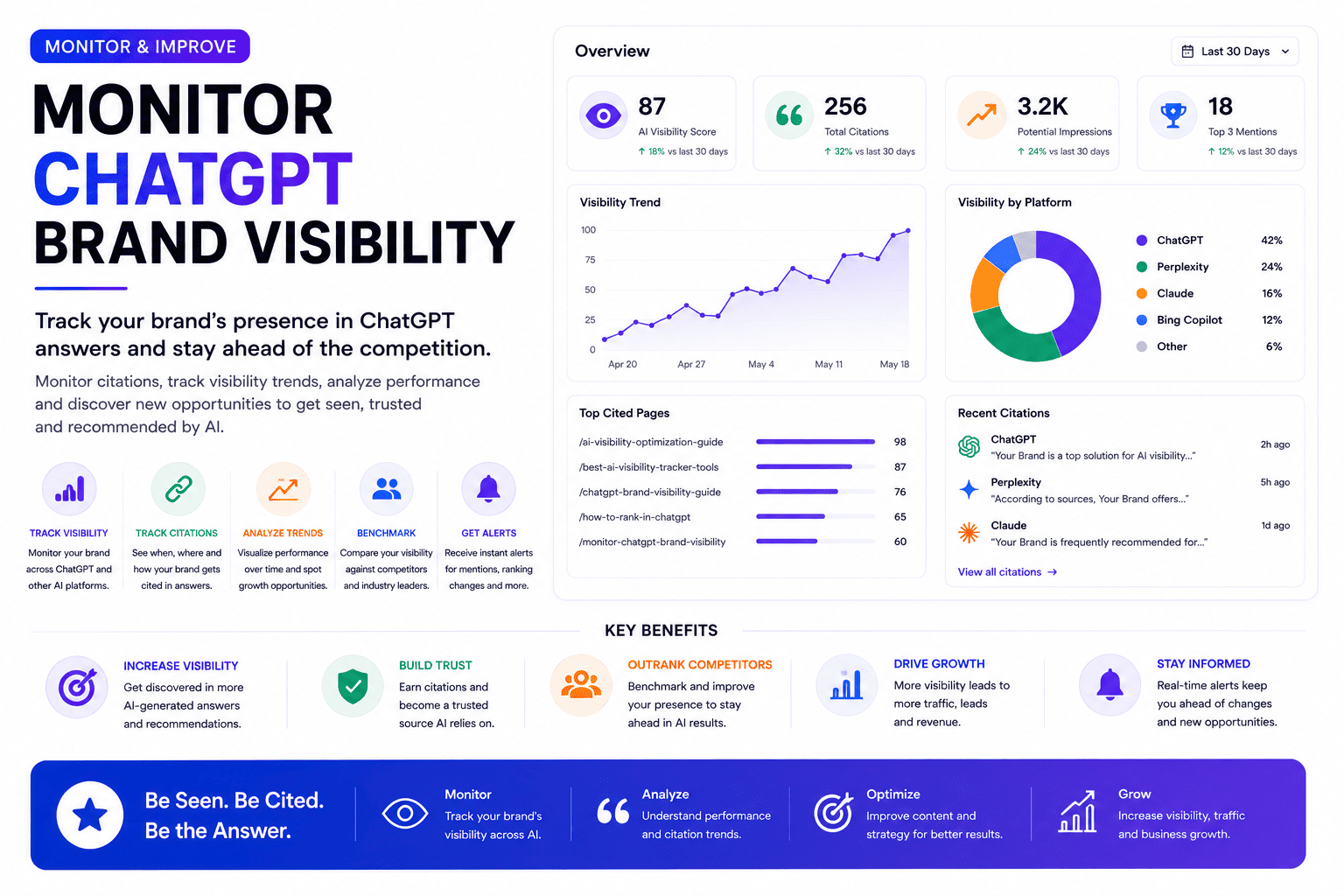
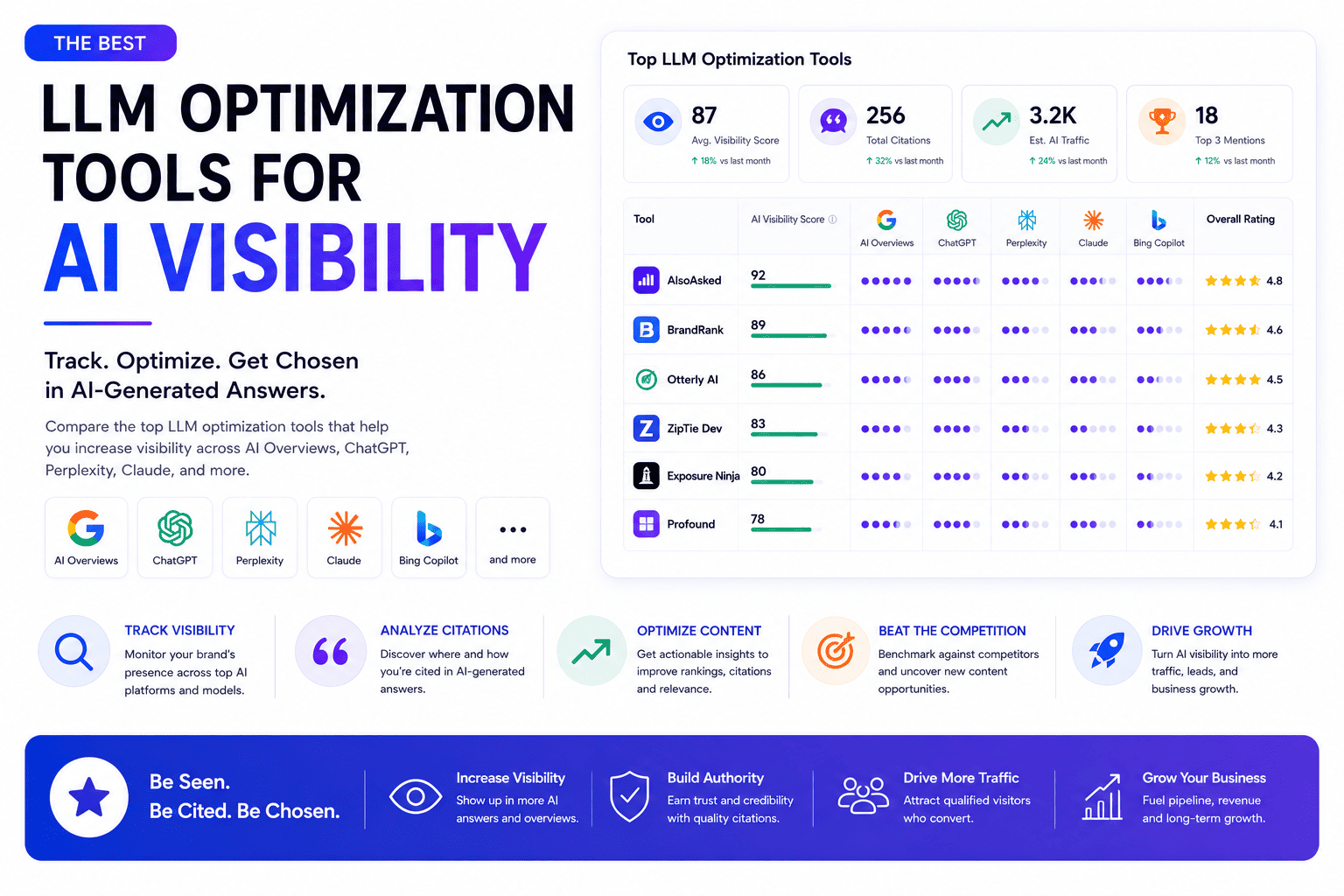
AI Visibility
Monitor mentions and citations across AI platforms.
Branded Search Growth
Rising brand searches often indicate increased AI exposure.
Organic Traffic Quality
Focus on:
- Engagement
- Conversion rates
- Lead quality
Citation Frequency
Track how often your content is referenced in AI-generated responses.
The goal is not simply traffic.
The goal is becoming a trusted source within AI ecosystems.
What Strategies Are Losing Effectiveness?
Several tactics are producing weaker results than before:
- Keyword stuffing
- Thin content publishing
- Mass AI-generated articles without expert review
- Low-quality backlink schemes
- Exact-match keyword obsession
- Publishing without topical depth
AI systems increasingly reward usefulness, authority, and trust rather than mechanical optimisation tricks.
Future-Proof Your Search Visibility
AI search is rapidly reshaping how customers discover information online.
Businesses that focus on expertise, topical authority, entity optimisation, structured data, and citation-worthy content are positioning themselves for long-term visibility across both traditional and AI-powered search experiences.
The organisations that adapt early will be the ones AI systems trust—and recommend.
Ready to Improve Your AI Search Visibility?
Whether you're building a new content strategy or adapting an existing SEO programme, our team can help you increase visibility across AI-powered search platforms.
Book a Strategy Session


.png)

.png)