.png)
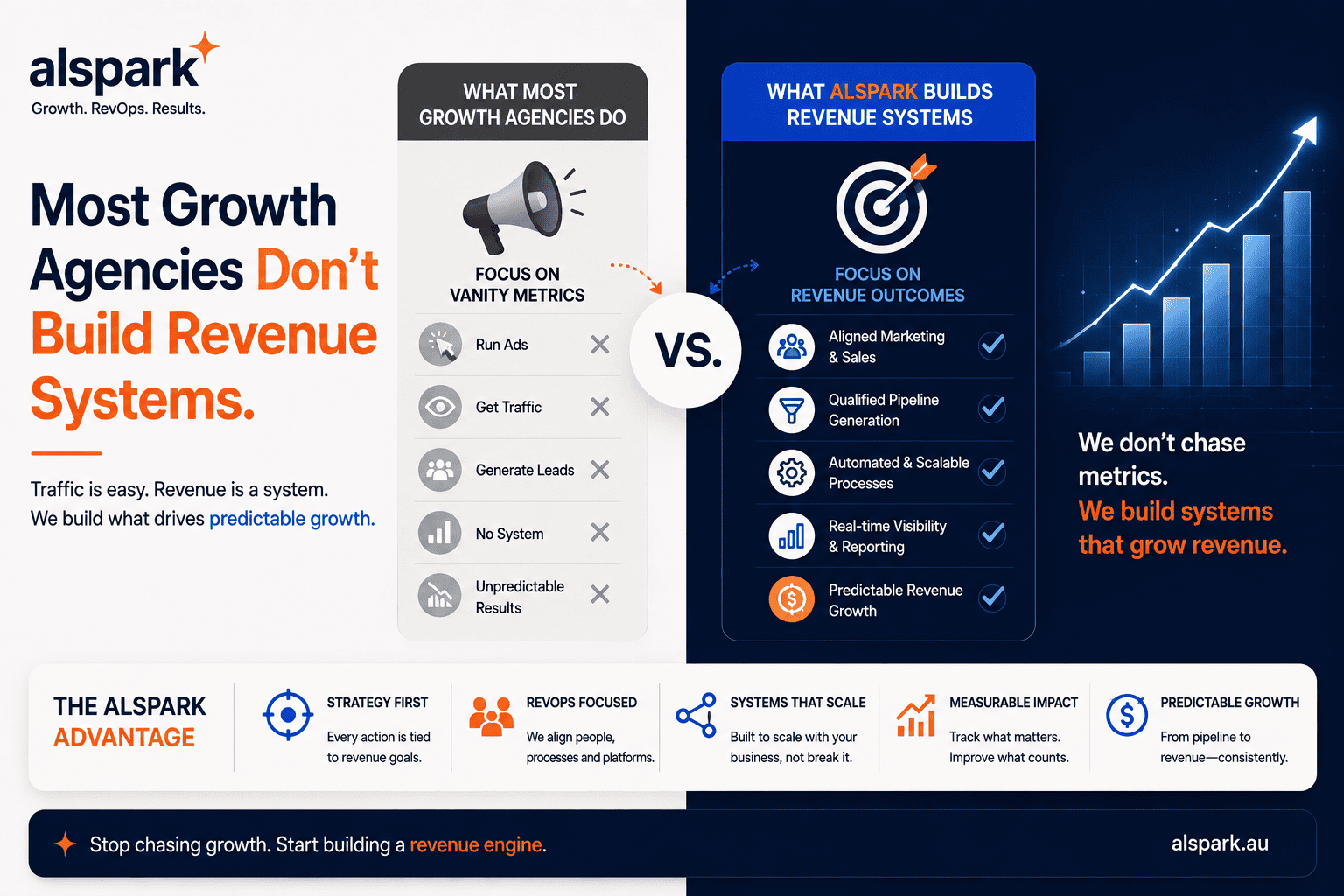
For Australian B2B leaders, the sales pipeline is often a source of anxiety rather than confidence. It is a volatile mix of hope, guesswork, and last‑minute heroics. The result is a quarterly scramble to hit revenue targets, a sales team constantly fighting fires, and a growth strategy that feels more like a gamble than a plan.
The solution is not 'more deals.' It is a predictable sales pipeline built on search‑driven intent and pipeline predictability that turns strong intent into an inbound pipeline.
According to Harvard Business Review, B2B selling is in trouble because traditional approaches are no longer effective in today’s buying environment. Deep sales, the practice of using data and insights to improve targeting and engagement, is the answer.
Meanwhile, Gartner research highlights that a predictable pipeline requires aligning your sales‑development strategy with buying behaviours and business goals, not just filling a funnel with leads.
McKinsey highlights that leading B2B companies treat growth as a structured, measurable discipline supported by clear metrics and strong pipeline visibility.
This commercial briefing explores why B2B service firms need a predictable pipeline, the three pillars of pipeline predictability, and a step‑by‑step framework to build a pipeline that converts search‑driven intent into inbound revenue.
Research shows that buyers spend only 5% of their journey interacting with sales, highlighting the need to engage earlier through data and intent signals.
Most B2B sales pipelines are built on three flawed assumptions. Research shows that 75% of B2B buyers prefer rep-free experiences, reinforcing the need to capture intent before direct sales engagement.
As HBR notes, B2B selling is in trouble because the old playbook no longer works. Buyers spend only a small portion of their journey interacting with sales, making early engagement critical. If your pipeline is not capturing buyer intent early, you are already at a disadvantage.
A predictable sales pipeline is not a forecast; it is a measured, repeatable engine that converts search‑driven intent into closed‑won revenue with a known conversion rate and velocity. It has three non‑negotiable characteristics:
Gartner defines a sales pipeline as a visual representation of where prospects are in the buying process. Predictability comes from aligning pipeline stages, data, and execution with how buyers actually move through the journey.
Pipeline predictability starts with the source of your leads. Over-reliance on outbound activity can introduce variability into pipeline performance. If you capture leads who are actively searching for solutions ('how to fix revenue leakage B2B'), you are injecting intent.
Search‑driven leads are further down the funnel, have a higher conversion rate, and move faster through the pipeline. As HBR highlights, modern sales require better use of data and insights to engage buyers more effectively.
Predictability requires data. You must track conversion rates at every stage, pipeline velocity, and win/loss reasons. This data lets you build a predictive model: if you need $500K in new revenue next quarter, and your average deal size is $50K with a 20% close rate, you need 50 qualified opportunities in your pipeline.
Gartner emphasises aligning your sales-development strategy with buying behaviours and business goals to improve pipeline performance. That alignment requires clear data visibility to understand what is working and what is not.
A lead's intent decays rapidly. Delayed follow-up reduces the likelihood of conversion, making timely engagement critical. A predictable pipeline includes automated, immediate follow‑up that qualifies the lead, routes it to the right sales resource, and moves it to the next stage before the intent evaporates.
McKinsey highlights that leading B2B companies rely on structured processes, clear metrics, and strong pipeline visibility to drive consistent growth.
Building a predictable pipeline is a four‑step process:
This process turns pipeline management from an art into a science.
Investing in a predictable pipeline isn't a sales‑team exercise; it's a revenue‑control strategy. The tangible returns include:
For B2B service firms, these improvements don't just boost revenue; they transform sales from a cost centre into a predictable growth engine.
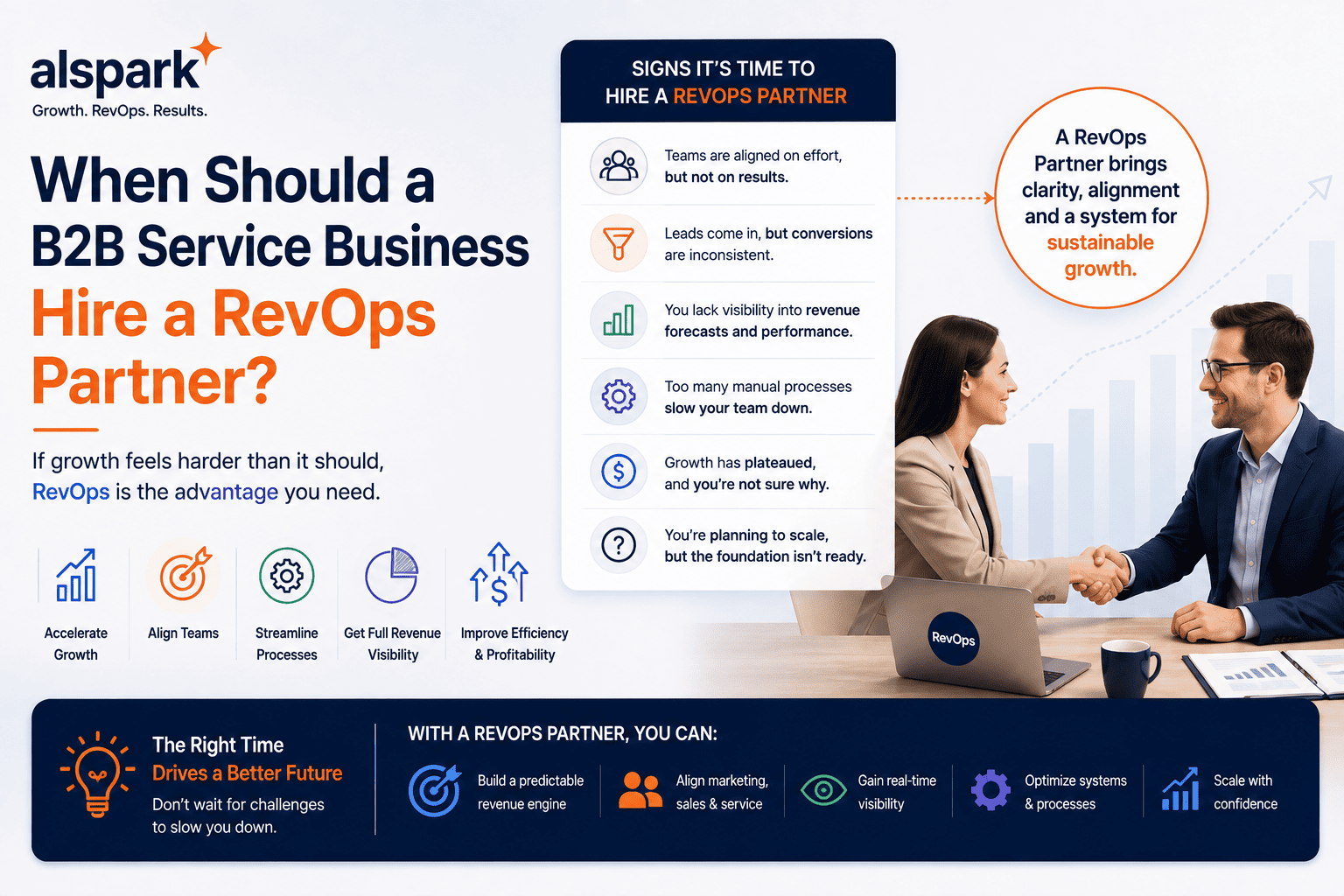
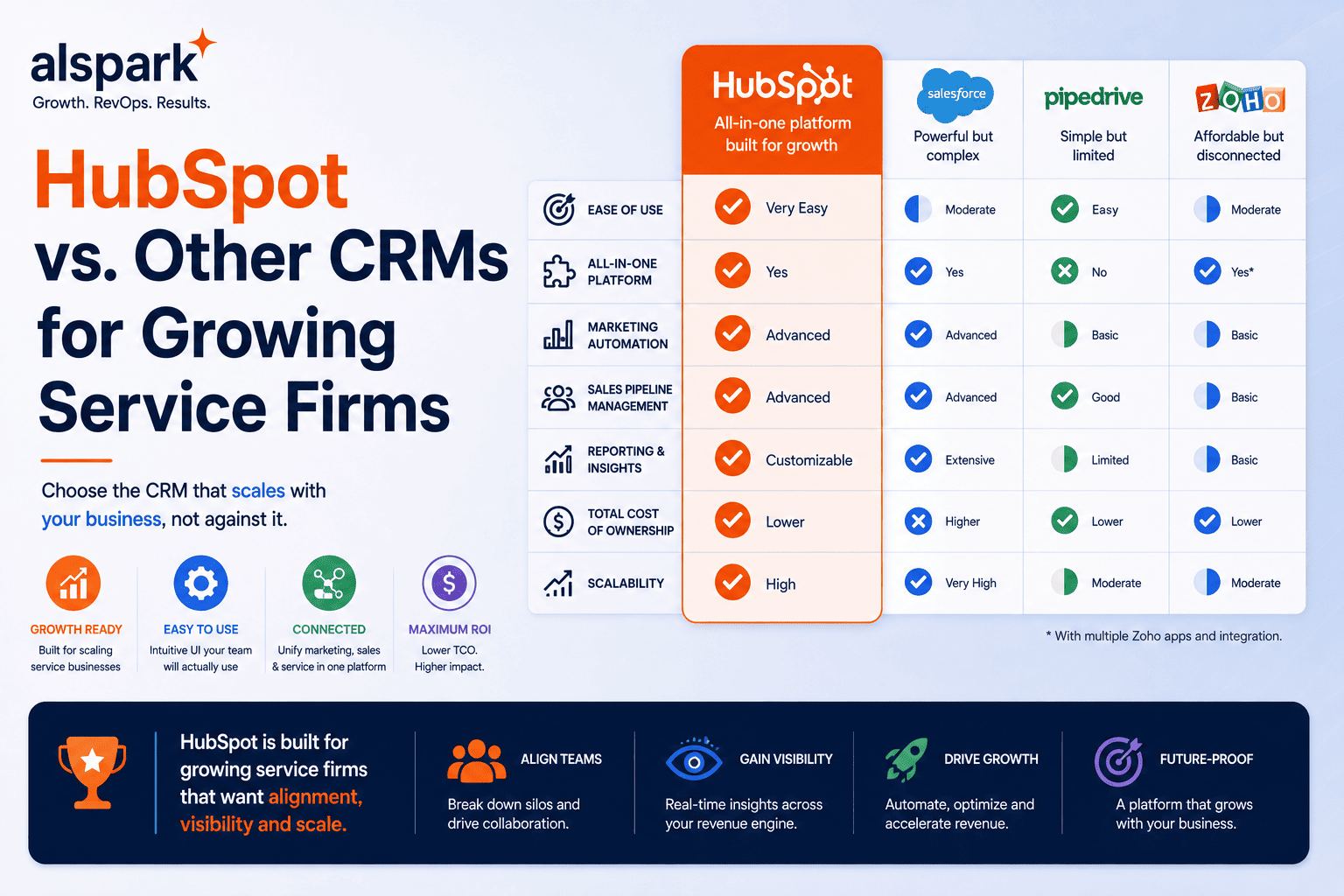
The Australian B2B services market is unforgiving to those who rely on hope‑based pipelines. To scale, you need predictability. You need intent‑driven leads. You need a partner that understands the intersection of search, data, and sales conversion.
Alspark is that partner. We don't just help you fill your pipeline; we build the systems that turn search‑driven intent into predictable, inbound revenue.
Ready to turn your sales pipeline from a gamble into a predictable engine?
Request a pipeline audit with alspark today. We'll diagnose your current pipeline, identify your predictability leaks, and provide a clear roadmap to pipeline‑driven growth in the Australian market.


.png)
.png)
.png)